
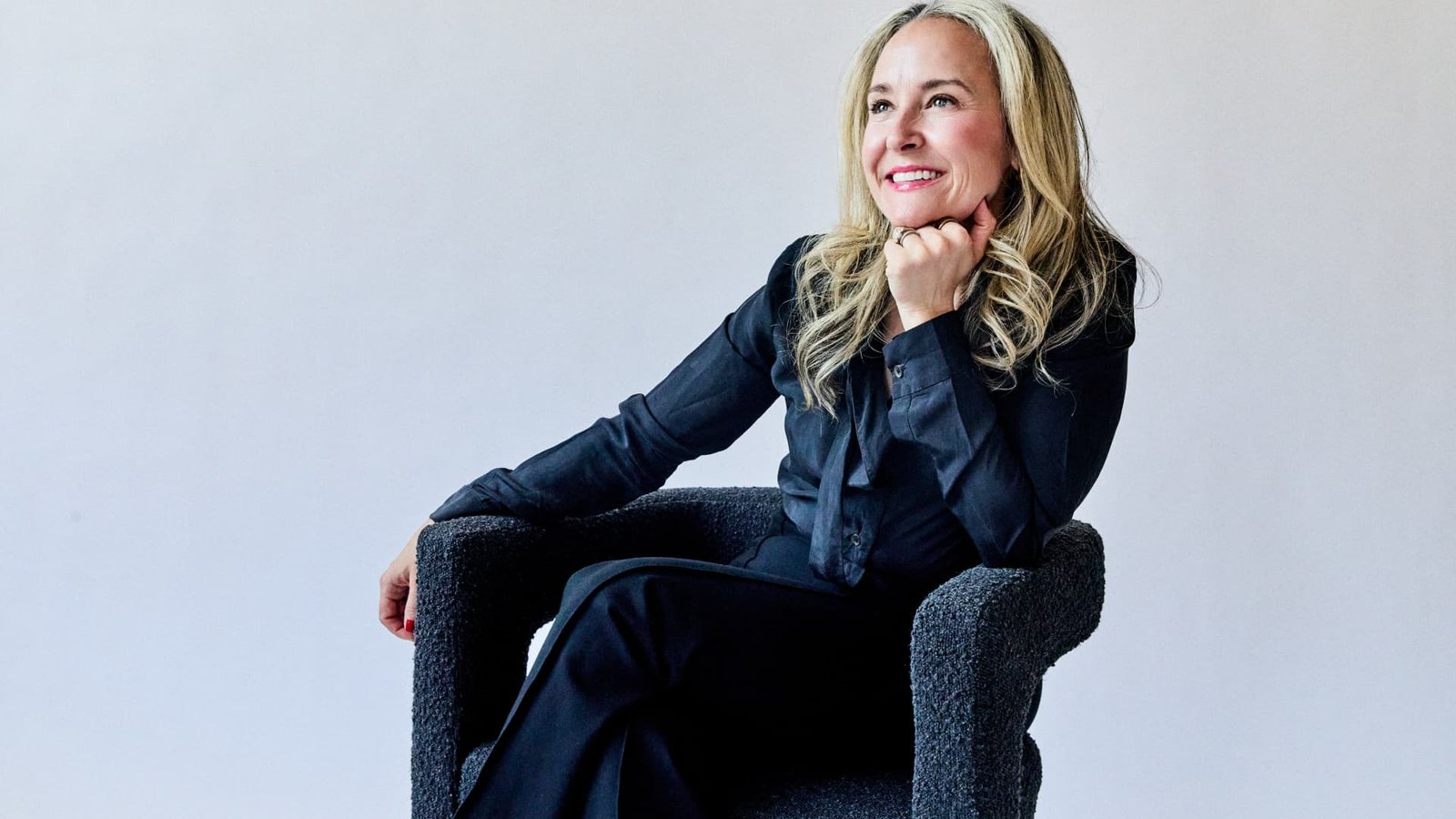
Entrepreneur may be the best ‘everyday job’ of the AI future, says VC investor Alexa von

Many people dream of being their own boss, but are afraid to take the leap since building a new business can require significant time and money, and a specialized set of skills. But artificial intelligence is lowering these barriers, creating new opportunities for aspiring entrepreneurs. And even for those who have not considered the entrepreneurial route before, it should be on their minds in the AI era, says serial founder Alexa von Tobel.
“Entrepreneurship will be the everyday job of the future,” she said during the latest episode of CNBC’s Changemakers podcast. “I think every person here in America will be empowered to be entrepreneurial because of AI.”
Von Tobel took a leap of faith when she walked into the admissions office at Harvard Business School and formally took a leave of absence to launch a startup during the 2008 financial crisis. “Everyone thought it was a terrible idea, and I’ve swum against the grain myself,” she said.
That idea turned into financial planning company LearnVest, which she ended up selling to Northwestern Mutual in 2015. Von Tobel went on to co-found venture capital firm Inspired Capital with former U.S. Secretary of Commerce Penny Pritzker in 2019.
Von Tobel’s interest in financial literacy and financial success was born of her own early life experiences. After her father died when she was 14, her mother, a nurse practitioner, was left to navigate the family’s financial situation on her own. The experience made von Tobel realize how little financial education many people receive. Financial security is an issue which AI may make even more critical, but she is optimistic about the future of entrepreneurship, believing more people will be able to turn their skills, knowledge and expertise into businesses of their own.
“Anybody with any skill set can turn it into a business because of AI,” she said.
She also suggested entrepreneurship could become a fallback for people between jobs, giving them a way to earn money while they retrain or look for their next role.
Recent data highlights increased interest in starting a business, and, in particular a solo business. Liya Palagashvili, a labor economist and director of the Labor Policy Project at George Mason University’s Mercatus Center, recently told CNBC that her preliminary research on new business formation shows it is rising among owners who do not expect to become employer firms — in other words, they have no current expectation of hiring employees. In industries highly exposed to AI, business applications without early signs of hiring rose 26.8% from the first quarter of 2024 through the first quarter of 2026.
“Entrepreneurship feels like a very big commitment,” von Tobel said. “I actually think it’s going to become a low-stakes commitment.”
Von Tobel stressed that while AI will be a business-enabler, the founder always has to have the final say. “At the end of the day, it’s still our judgment, my judgment, making that final call,” she said.
Von Tobel’s Inspired Capital is focused on startups that could become very large businesses — worth $10 billion or more. But among the firms she has invested in, there is a link to the world of “everyday” business owners — including solo businesses, gig work and the ability to turn almost any skill into a source of income.
She pointed to ShopMy, a company backed by Inspired Capital, which created a platform that enables creators to earn income by sharing product recommendations and collecting commissions on purchases. The platform also uses AI-powered matching algorithms to analyze creator profiles, audience engagement and brand objectives, helping brands identify creators that best align with their goals.
“ShopMy is really entrepreneurship skills and tools for creators,” von Tobel said.
She believes platforms like it could give people more ways to build income around what they already know, with more flexibility for people balancing work with family or caregiving.
OpenAI CEO Sam Altman said on David Senra’s “Founders” podcast that “we are about to see the greatest boom in people starting smaller businesses that we have ever seen.”
Von Tobel says her experience raising money for LearnVest included an important lesson about pitching your business idea to investors, and taking money from the right ones. She realized some of the investors advising her had never built a company. “All the people I’m taking capital from have never built anything,” she recalled. That gap helped shape the idea for Inspired Capital. “I knew the capital I wanted, and I didn’t see it anywhere,” she said. “I kept thinking, ‘One day, I’m going to come back and build that.”
She also says that when pitching ideas to potential investors, having a clear and compelling view of the long-term win is critical. Von Tobel meets with as many as 100 companies a week, but may ultimately invest in less than eight firms a year. She looks for founders with a distinct view of their industry and what it could become. “They will have thought deeply about what the world should look like in five years, 10 years, 20 years,” she said.
Follow and listen to “CNBC Changemakers: Women Leading in the Age of AI” wherever you get your podcasts.
This article was originally published by a Cnbc.com. Read the Original article here. .